Tempers soared on Day 5 of the Tupac Shakur murder trial as defendant Duane “Keefe D” Davis accused police and prosecutors of using dirty tactics and putting his family in danger.
Once the jury was dismissed at the end of the day on Friday, Aug. 21, Davis complained that authorities had included his home address in publicly available court documents.
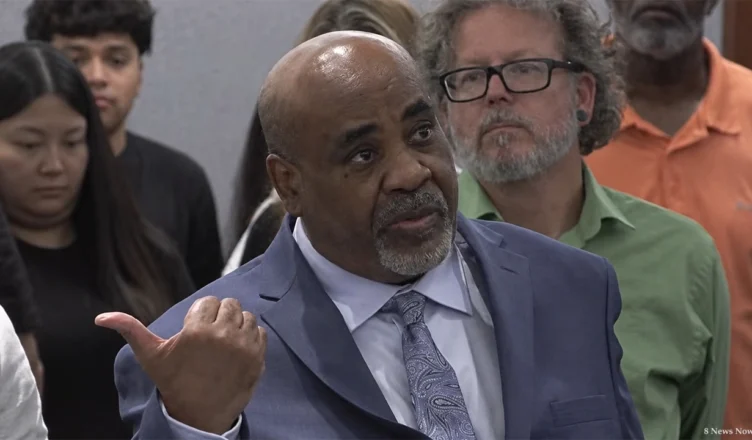
Davis could be seen pointing a finger at prosecutors in a video posted to YouTube by 8 News Now — Las Vegas.
“They keep giving out my address,” he said. “They’ve broken into my house, vandalized my house, vandalized my wife’s car because they keep giving out our address. They gave out my sister’s address. This stuff is wrong. They’re wrong.”
The judge appeared unmoved by his concerns and said “it goes both ways.”
Related: Explosive Diddy Claims Resurface in Keefe D’s Tupac Murder Trial
The prosecutor then chimed in and said, “For the record, I think he’s upset that I’m prosecuting him for murder.”
“No, I’m not. You’re endangering my family’s life,” Davis shot back.
Davis, a former Southside Compton Crips shot caller, is accused of orchestrating Tupac’s killing. He has pleaded not guilty to murder.
The former gangster is the first person to be charged in connection with the rapper’s death, nearly 30 years after Shakur was gunned down in a drive-by shooting on the Las Vegas Strip Sept. 7, 1996.
Death Row Records co-founder Marion “Suge” Knight was in the car with Shakur that night and was injured in the shooting.
Davis was arrested in 2023. Prosecutors allege he planned the shooting, was sitting in the car when it happened, and provided the gun used in the killing.
He admitted he was involved in a tell-all memoir published in 2019 and in multiple interviews.
While promoting the book on the VladTV YouTube channel, Keefe D said Tupac was to blame for his own death after he attacked the gangster’s nephew just before the shooting.
“He put himself in that position, he did that,” Keefe D said.
Although the former gang shot caller’s attorney maintains that his statements in the book and the interviews were fictionalized to make money.
Discover more from Urban Hollywood 411
Subscribe to get the latest posts sent to your email.